
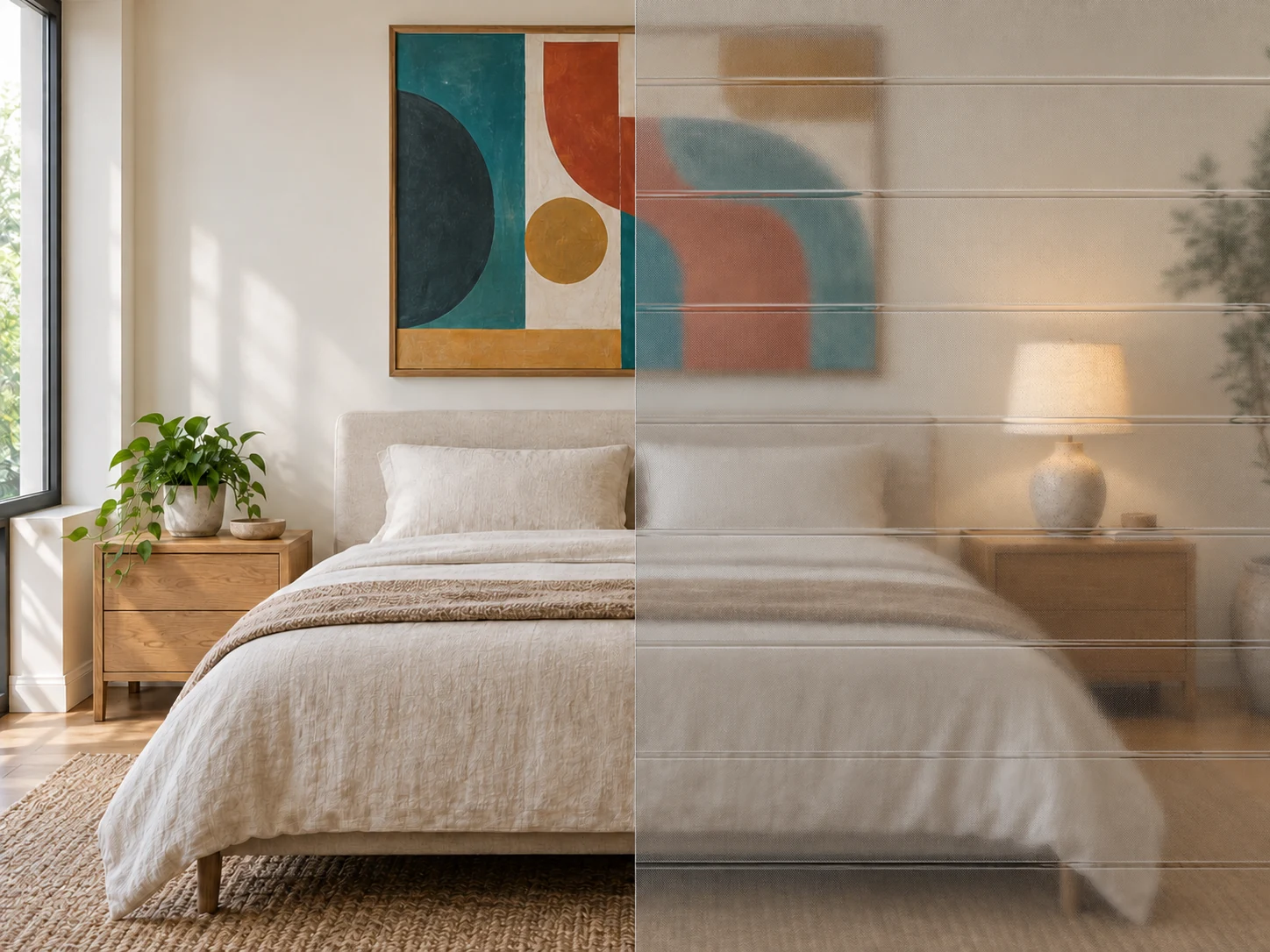
01
Master Ligne
Regular parallel lines.
Thickness / build-up: 4 and 8 mm

ZWAKA · Quick contact
Send us a project description and drawings, or call ZWAKA Glass directly.
B2B material catalogue · Glass to drawing
Lines, waves and geometric textures for furniture fronts, cabinets and partitions. Compare 19 catalogue patterns, then confirm the direction, thickness and sample for your project.
Explore materials and specifications ↓Material and function
Patterned glass uses a structured surface to change how light and the view pass through the pane. Reeded or fluted patterns create a directional rhythm; other textures use dots, grids or irregular waves. The effect changes when the glass is rotated.
In repeat furniture production, the pattern is an assembly detail as well as a visual choice. The drawing should show which way the lines run, which face is structured and how adjacent panels should relate. Catalogue names identify a pattern, but a physical sample is the reference for approval.
ZWAKA material schedule
The following variants and thicknesses come from the existing ZWAKA material schedule. Current supply, manufacturer, sheet size and processing are confirmed for the order. Build-up codes are retained for laminated products.
Regular parallel lines.
Thickness / build-up: 4 and 8 mm
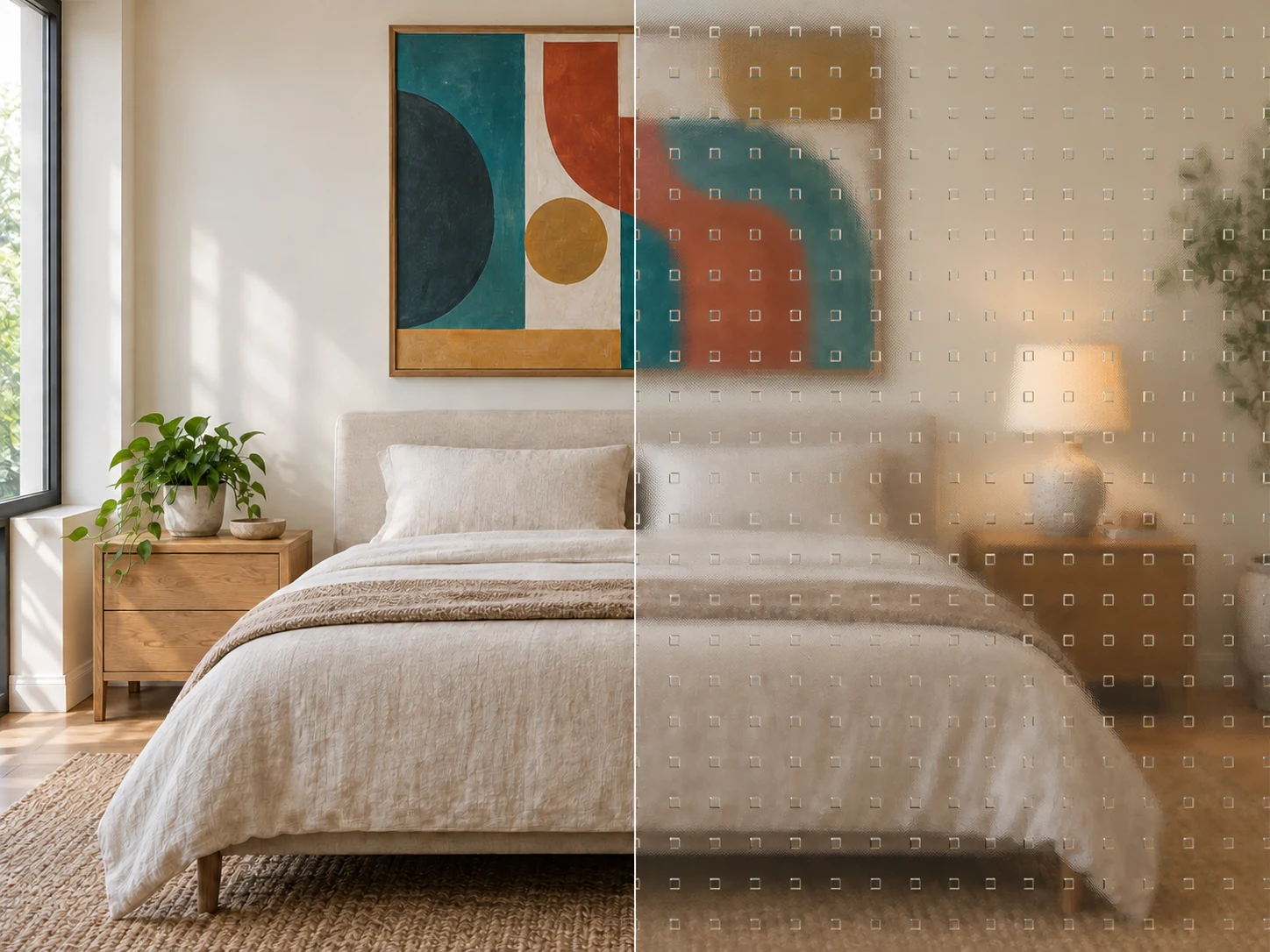
A geometric grid of squares.
Thickness / build-up: 4 and 8 mm
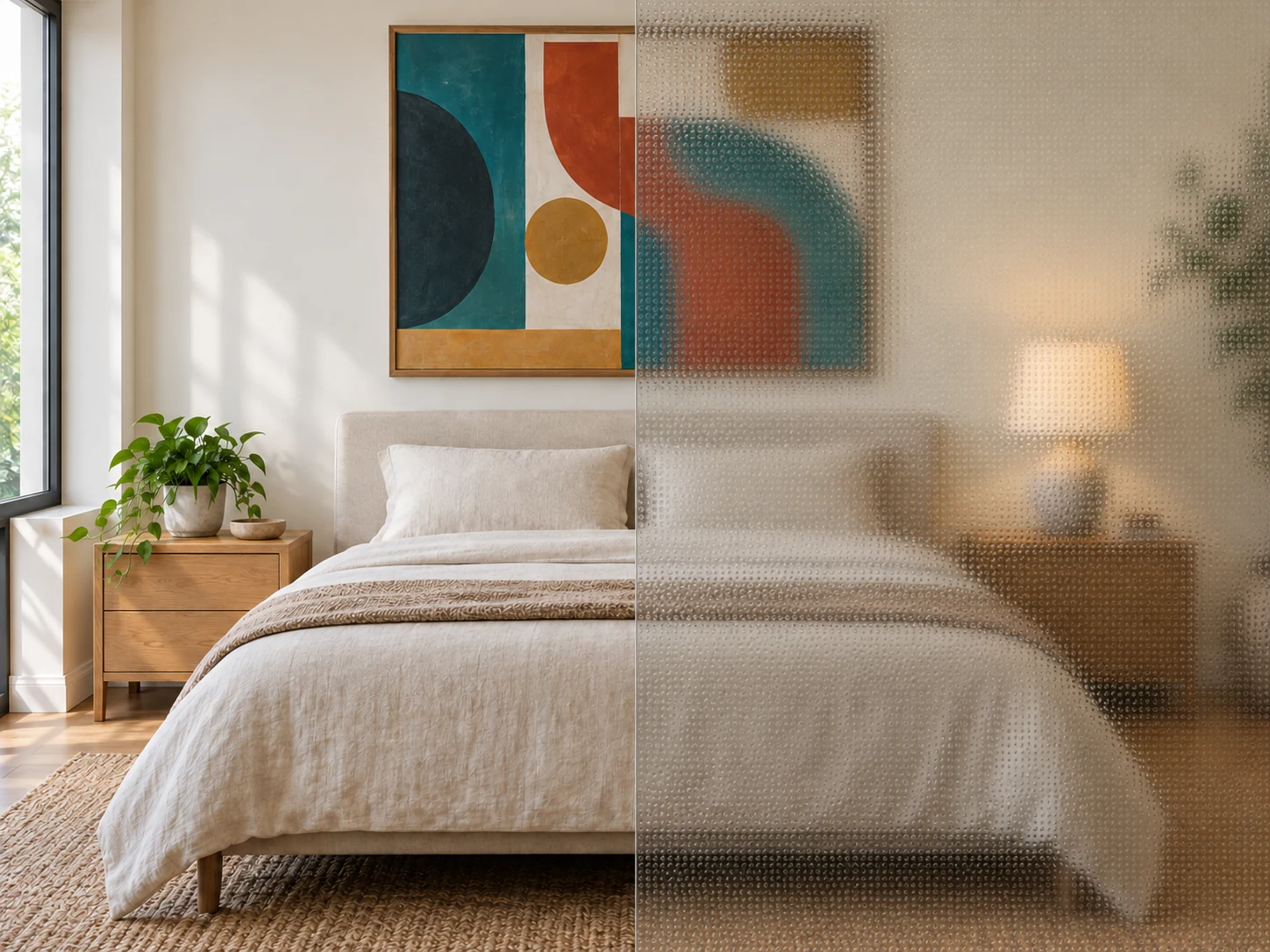
A fine, repeated dot pattern.
Thickness / build-up: 4 mm
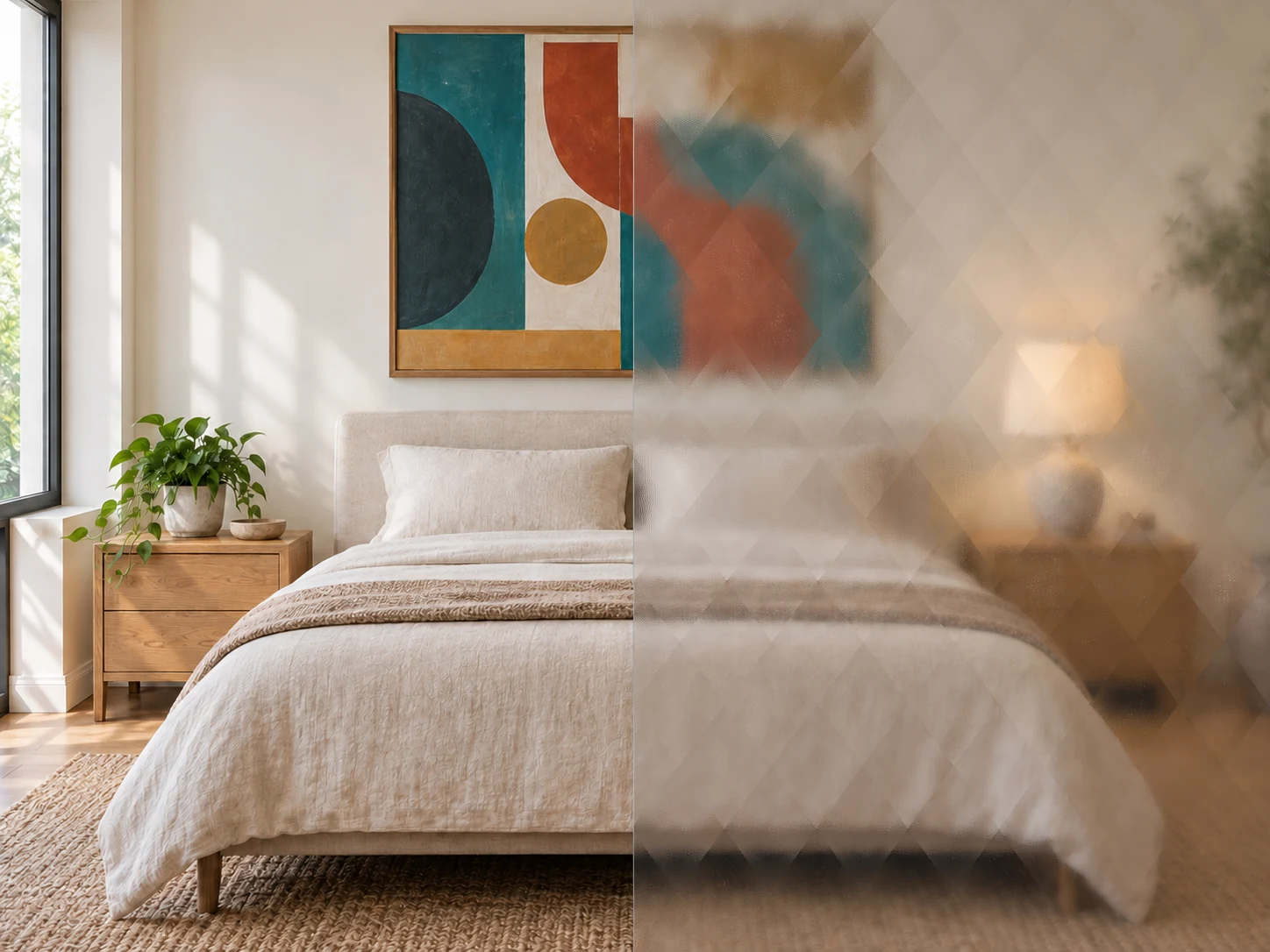
A soft, subtle texture.
Thickness / build-up: 4 and 6 mm
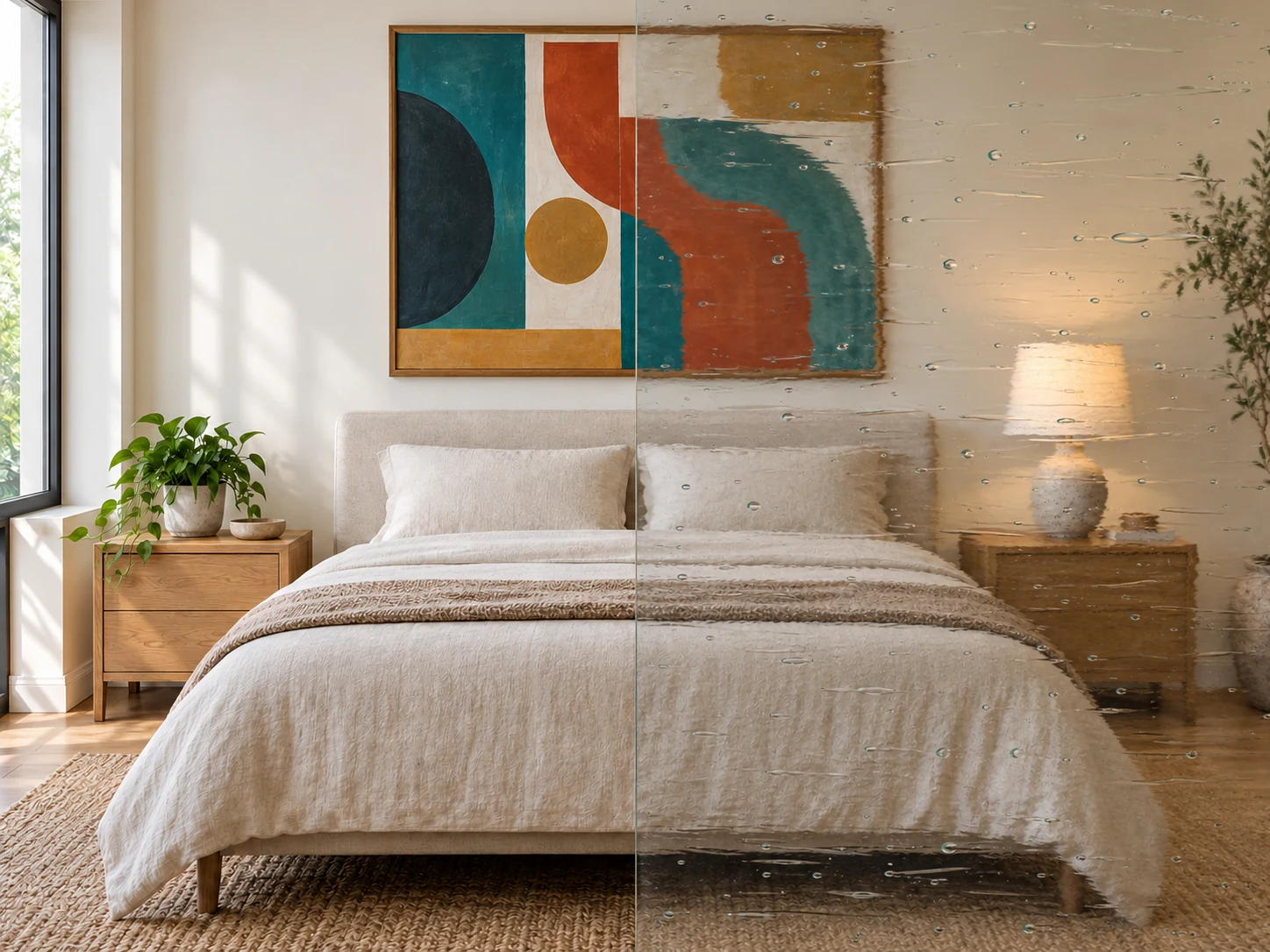
A classic irregular wave.
Thickness / build-up: 4 mm
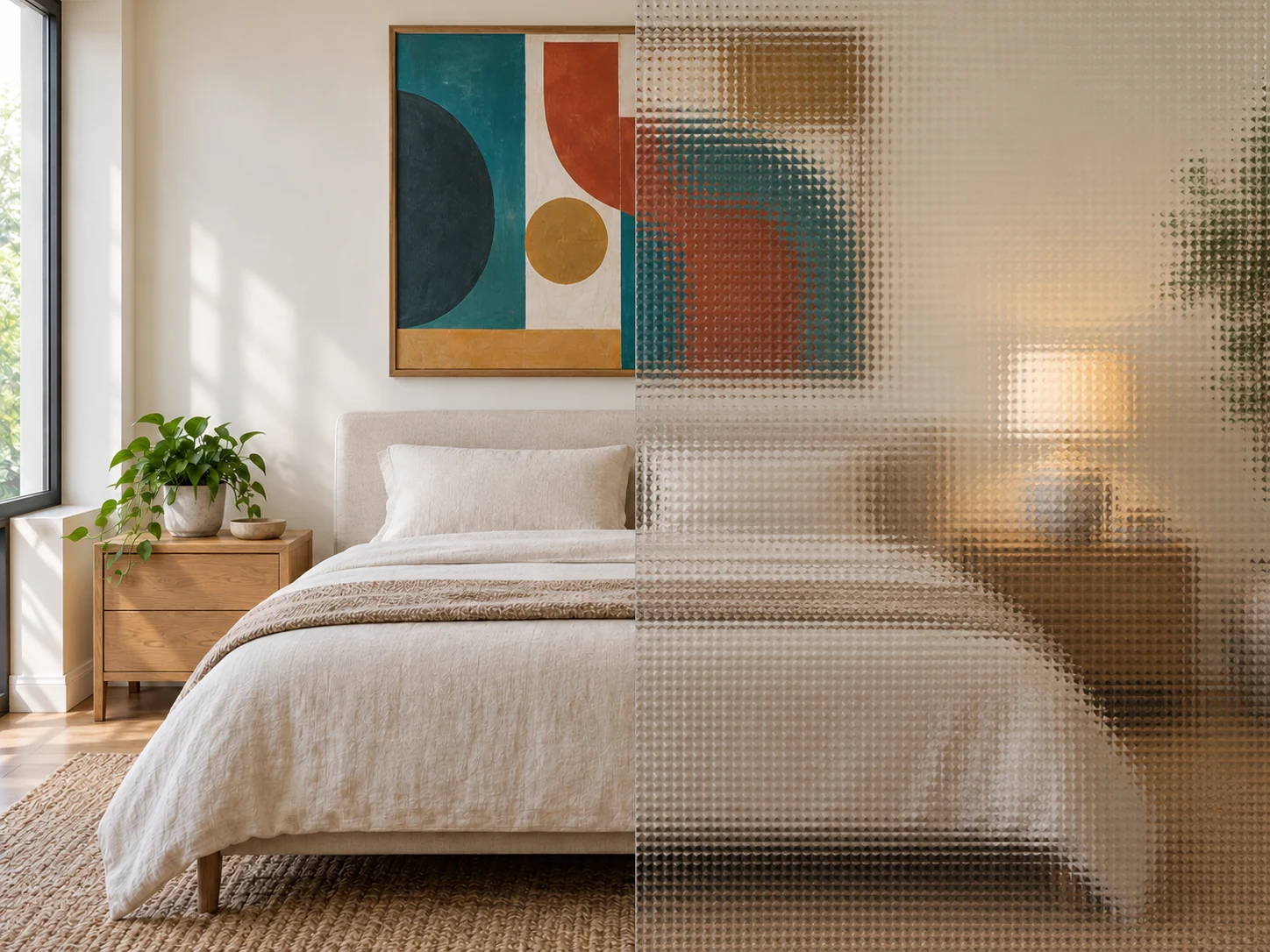
A lightly raised, light-diffusing texture.
Thickness / build-up: 4 mm
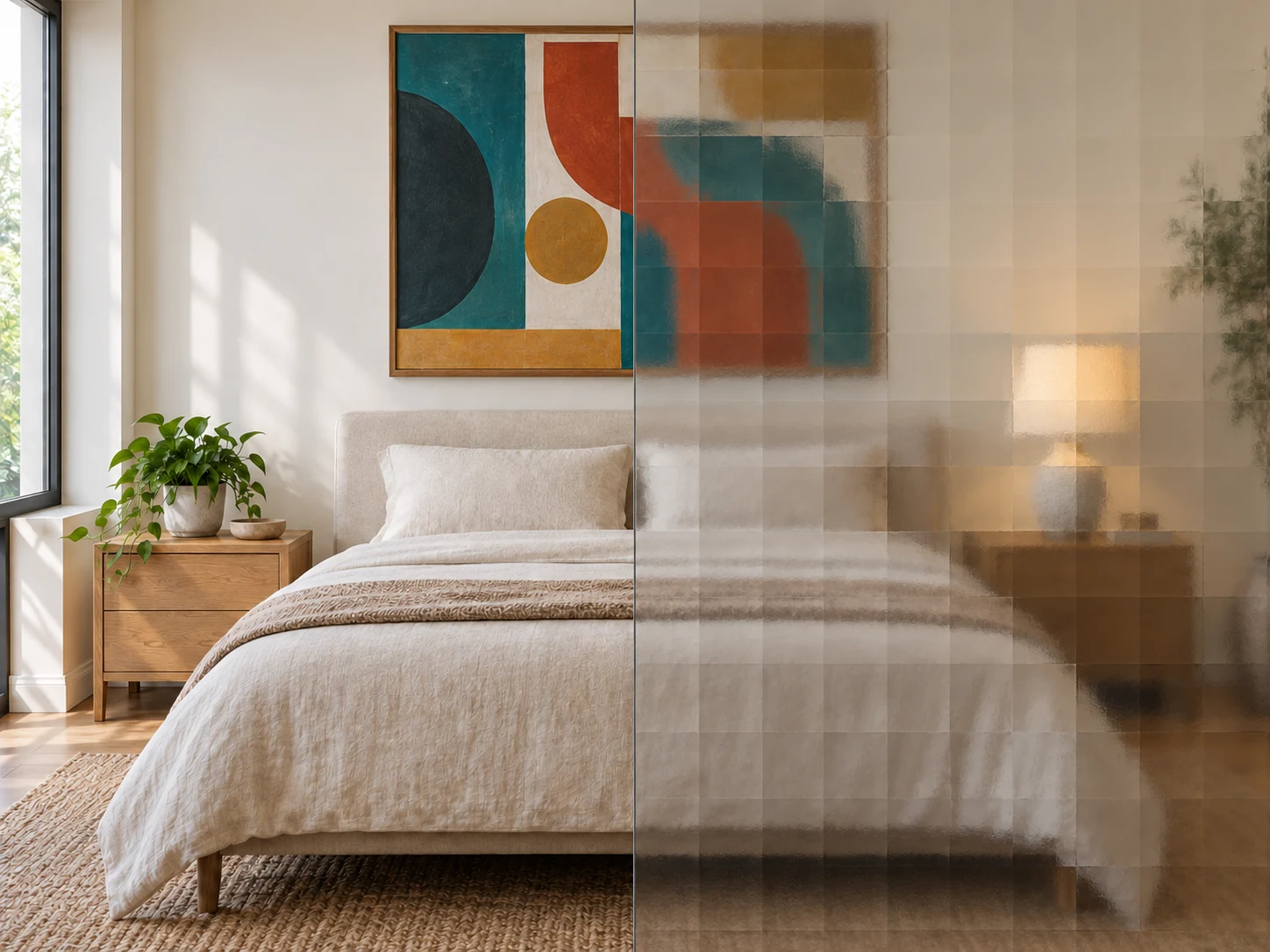
A defined decorative surface.
Thickness / build-up: 5 mm
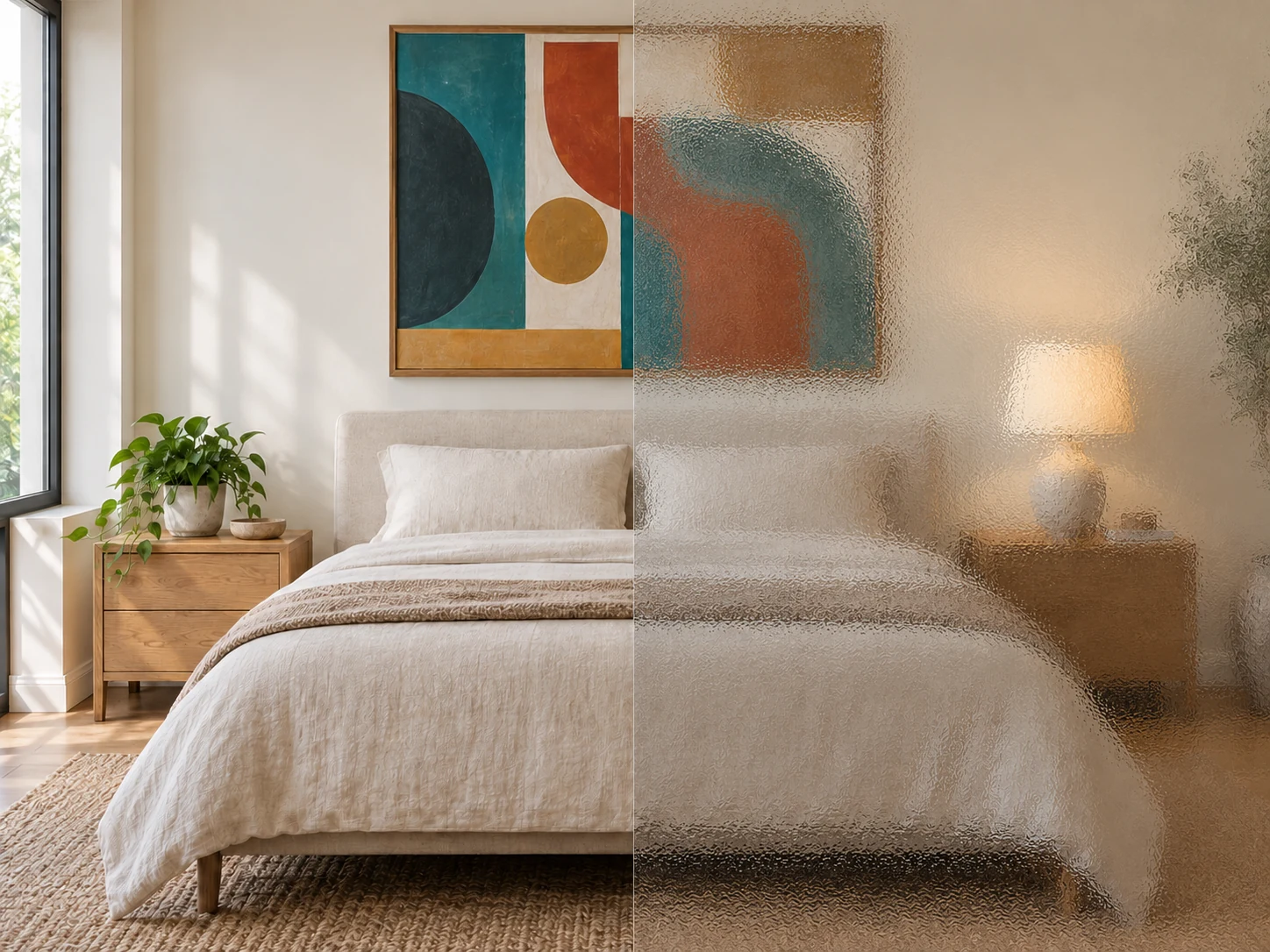
Fine grain with an orange-peel effect.
Thickness / build-up: 4 mm
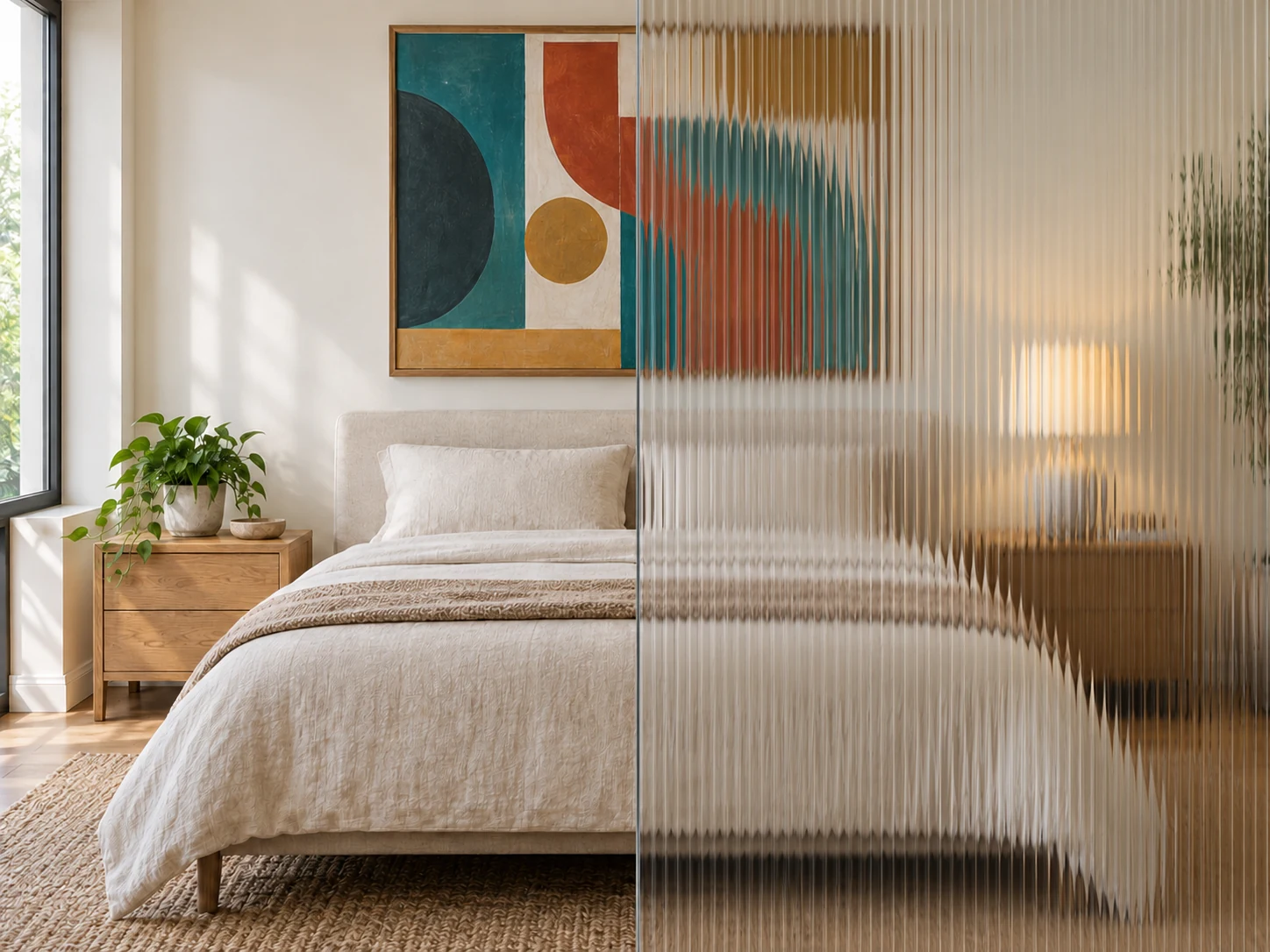
Fine vertical grooves.
Thickness / build-up: 4 mm
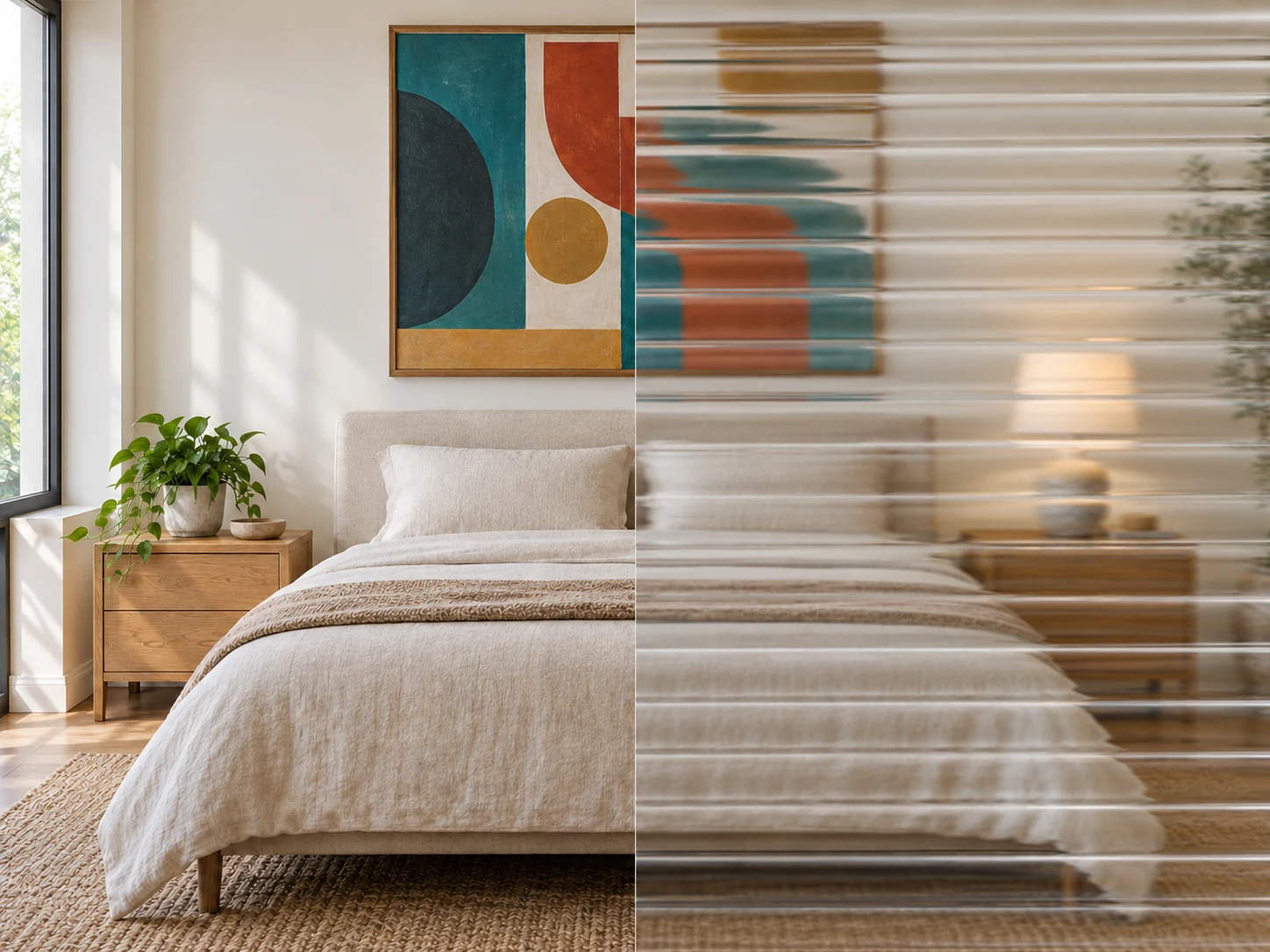
A linear reeded pattern on clear glass.
Thickness / build-up: 4 mm
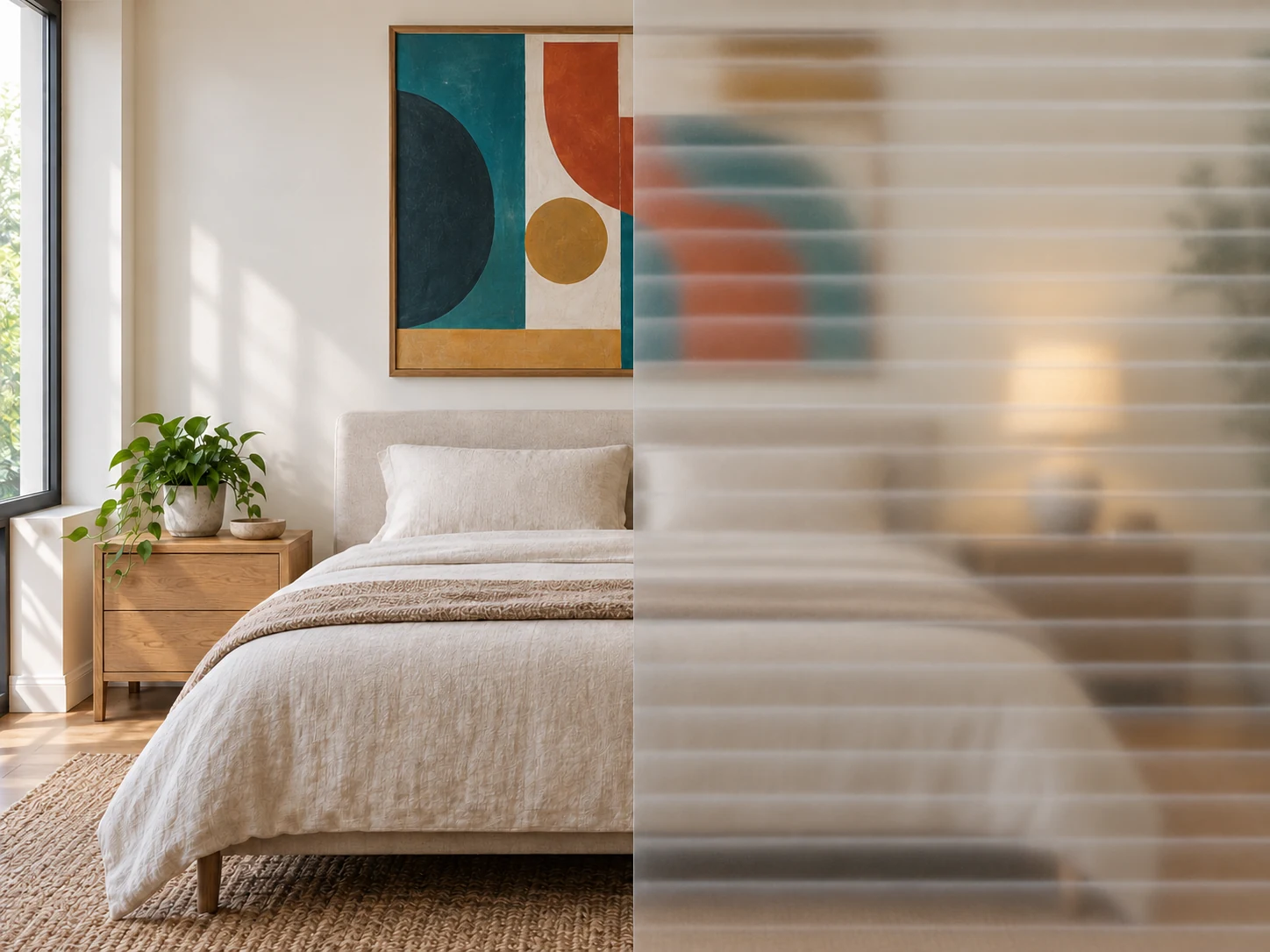
Reeding combined with a matt surface.
Thickness / build-up: To be confirmed for the project
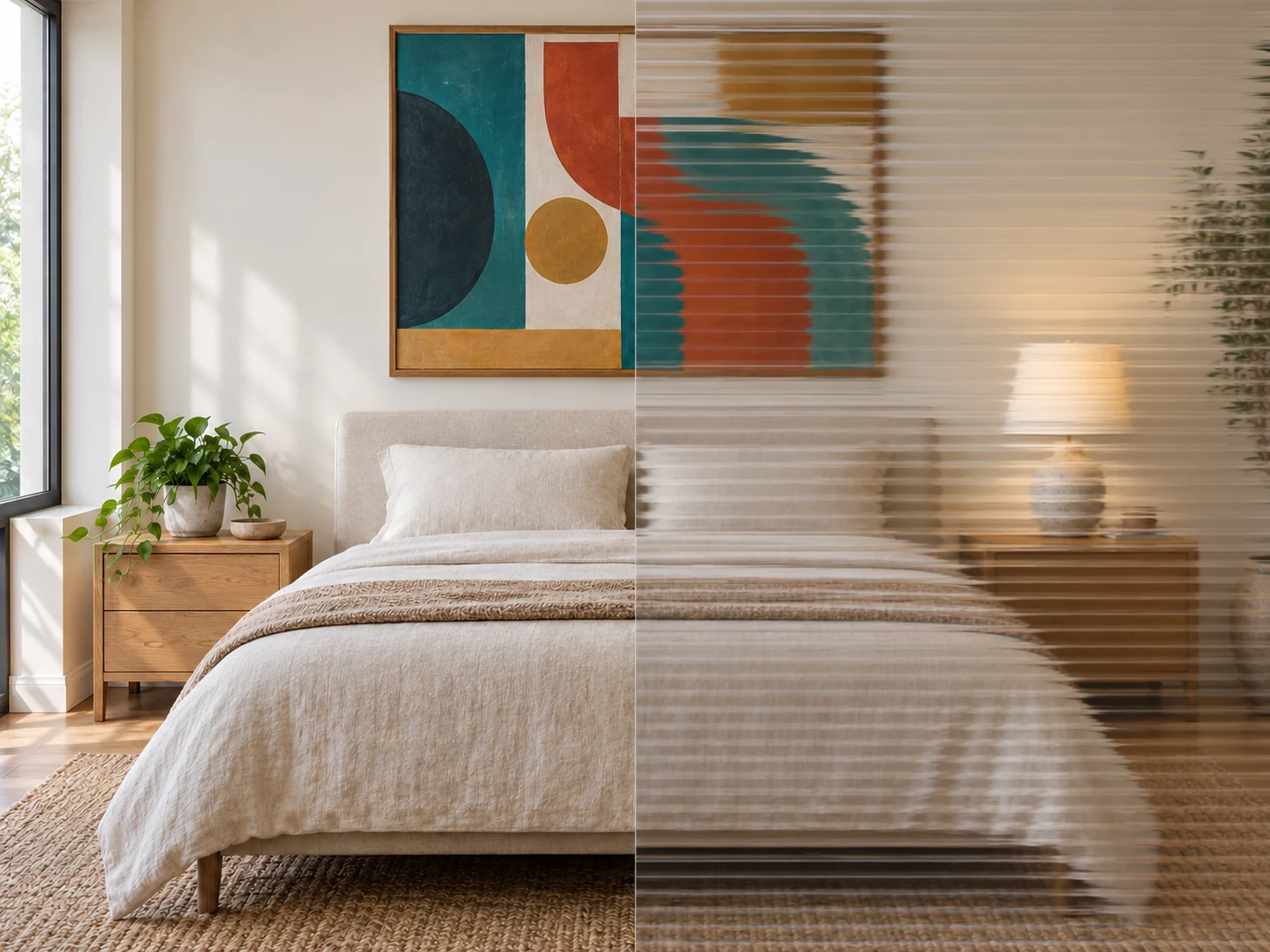
Distinct parallel vertical ribs.
Thickness / build-up: 4 and 8 mm
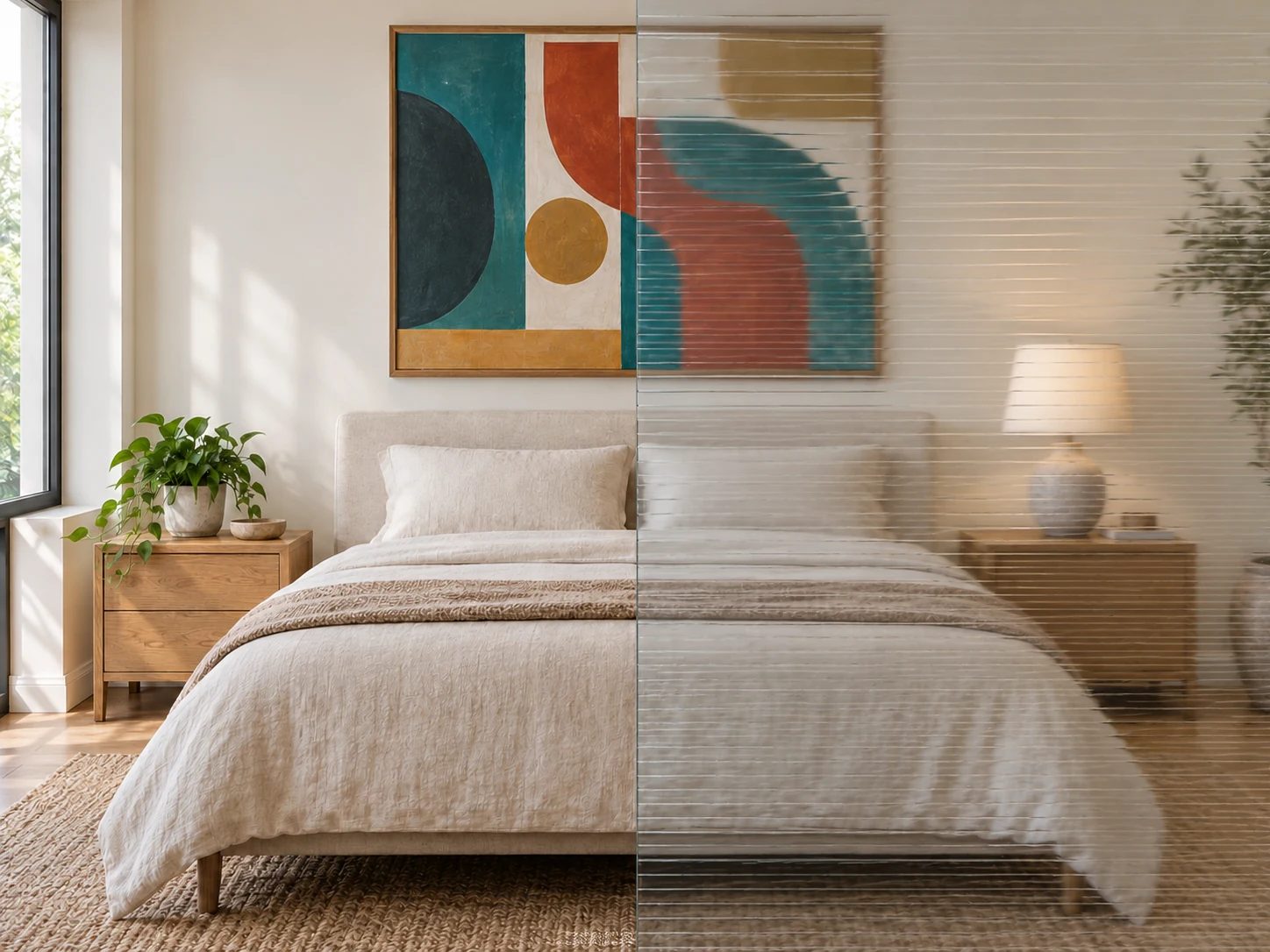
Deeper ribs with a pronounced rhythm.
Thickness / build-up: 4, 6 and 8 mm
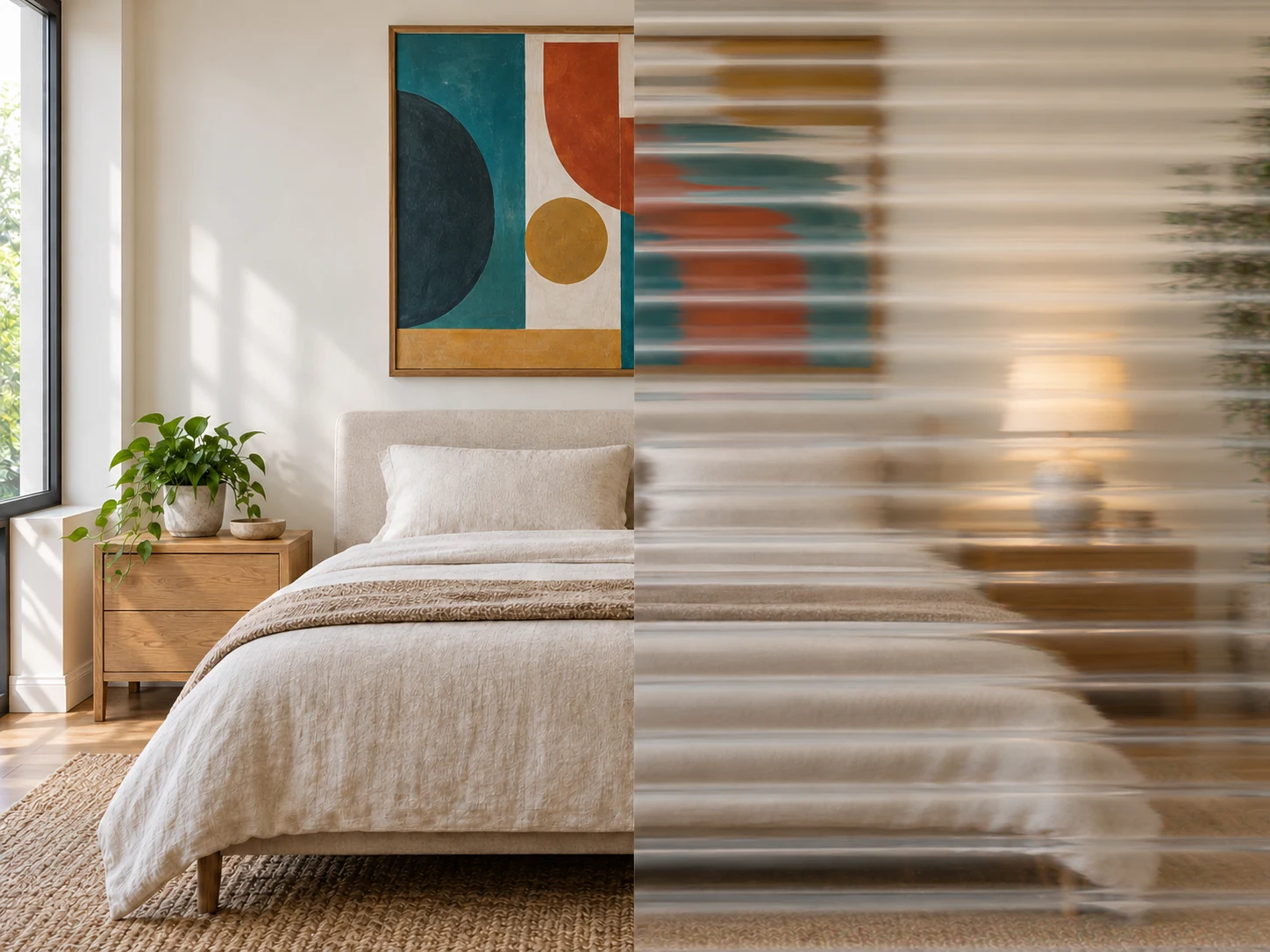
Irregular vertical waves.
Thickness / build-up: Approximately 4-5 mm
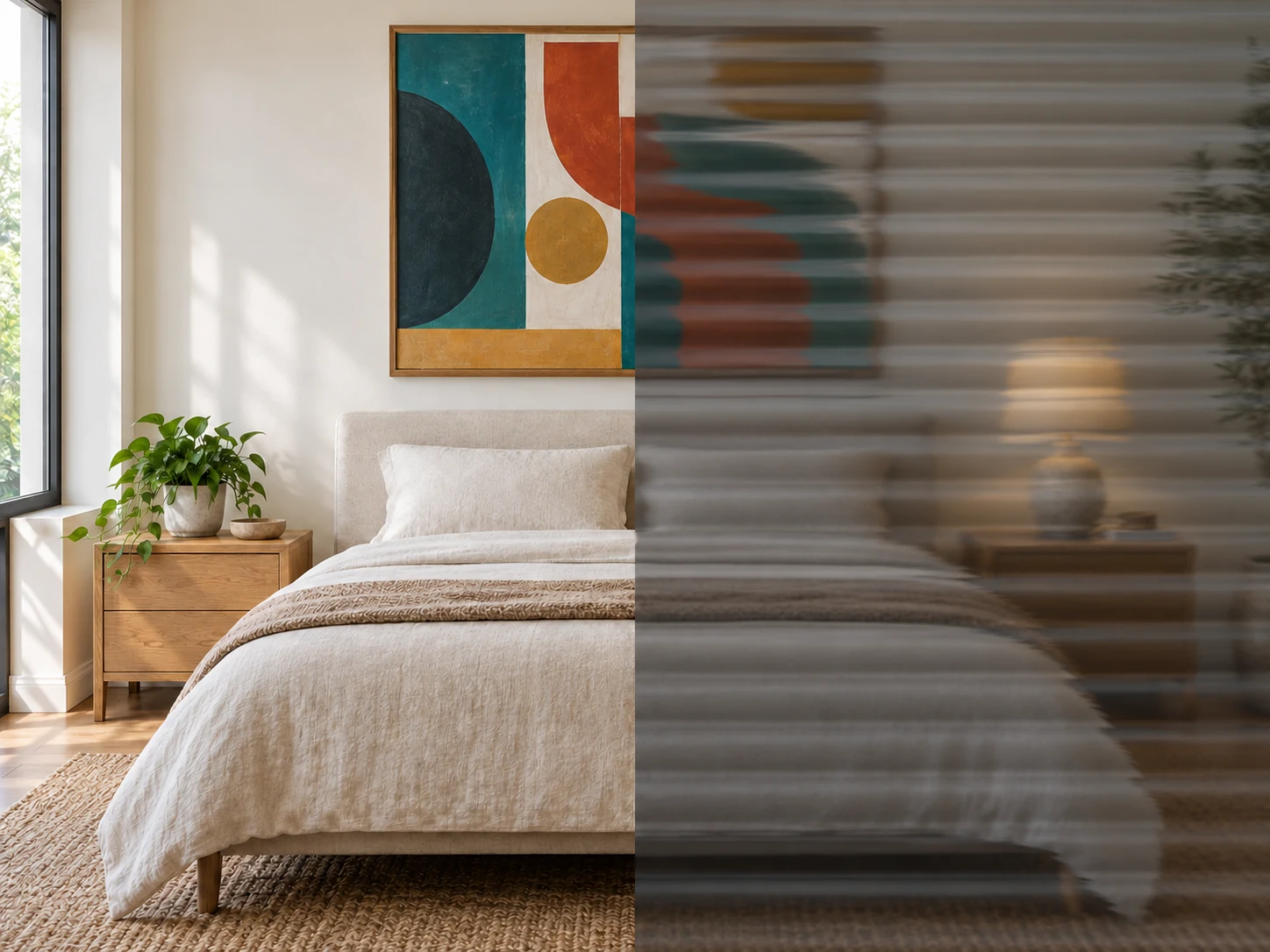
A wavy texture with a cool grey tint.
Thickness / build-up: 4 and 8 mm
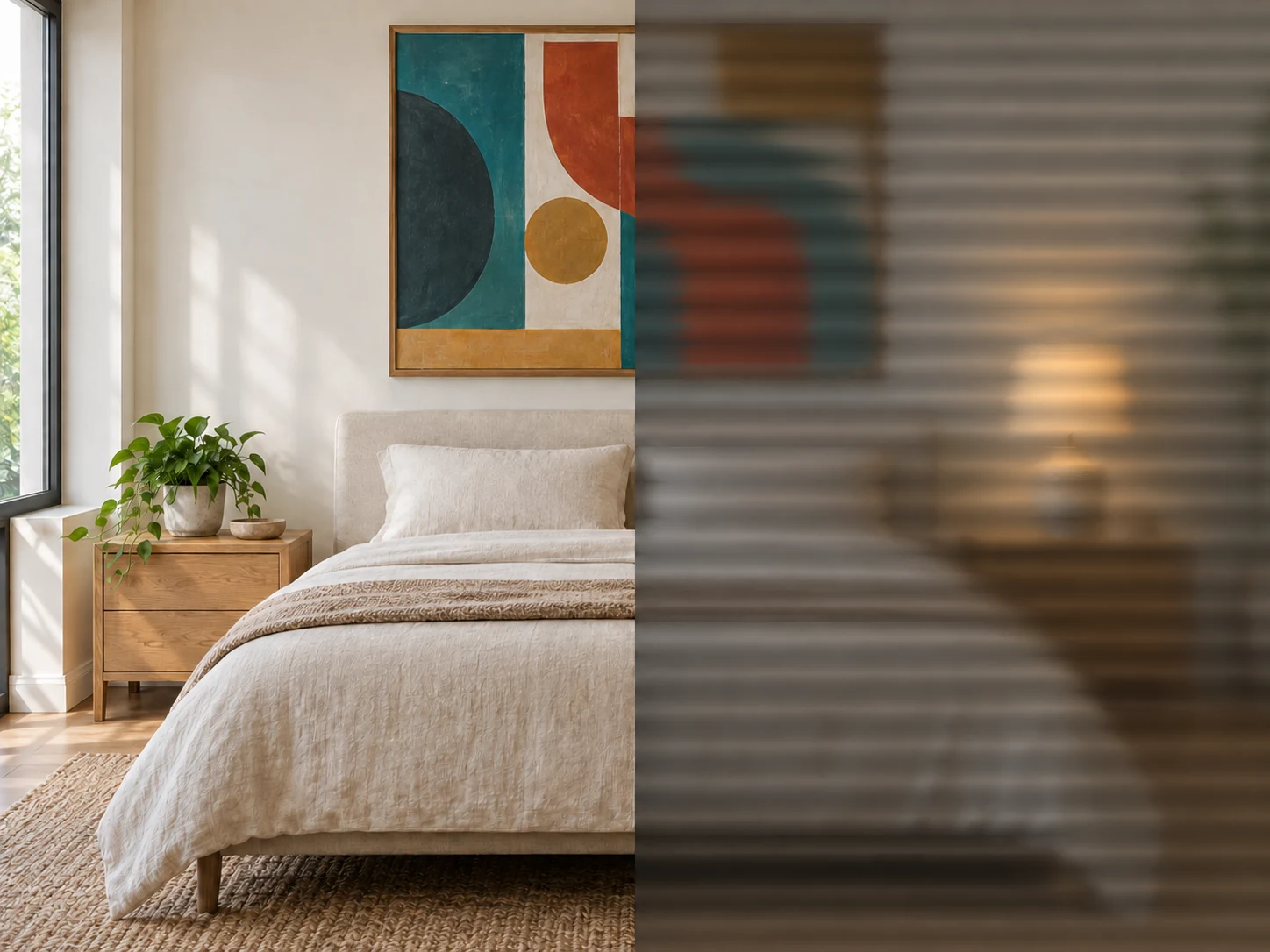
Grey Moru with an additional matt finish.
Thickness / build-up: Approximately 4-5 mm; on request
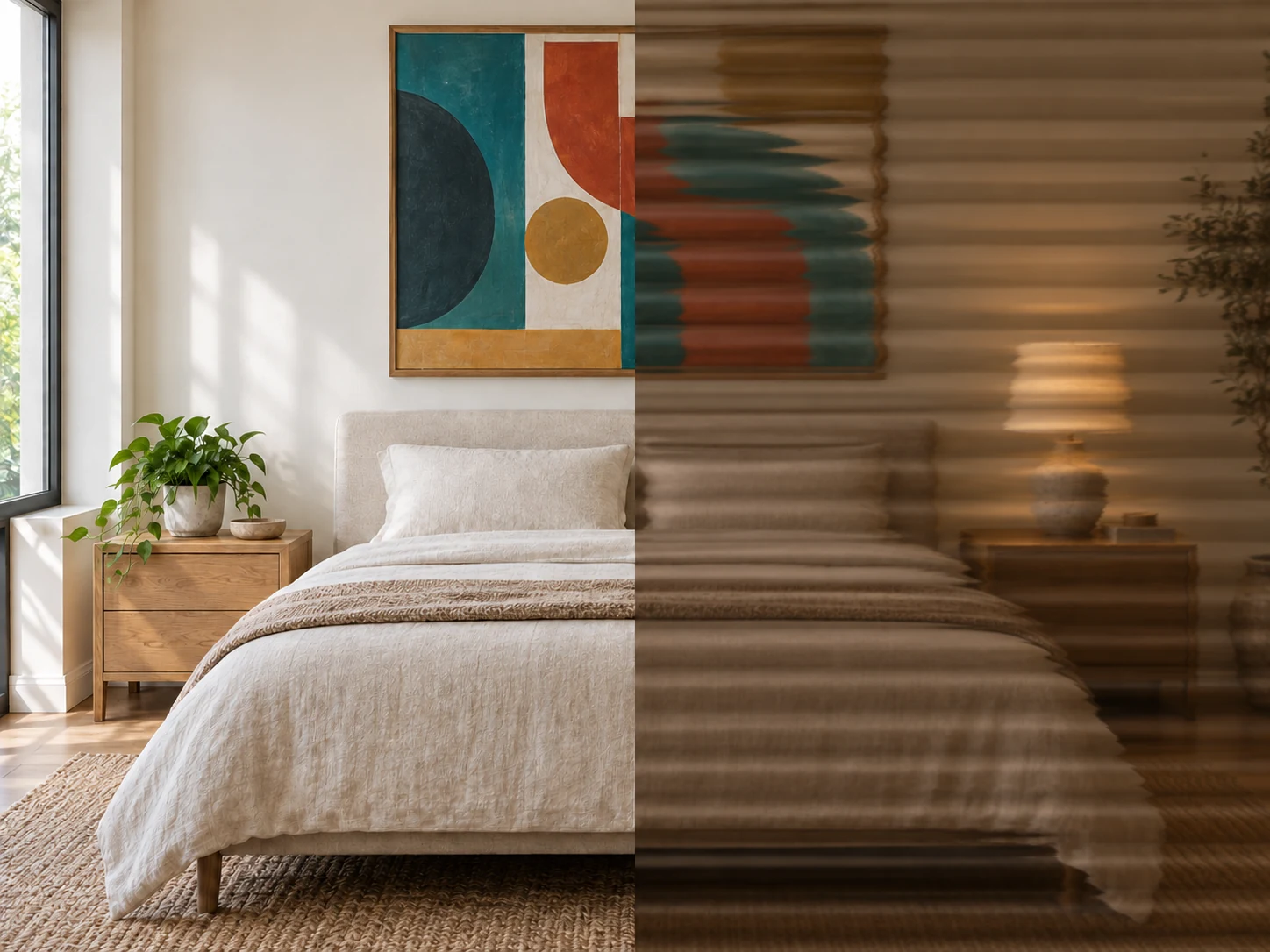
A wavy texture with a warm bronze tint.
Thickness / build-up: Approximately 4-5 mm
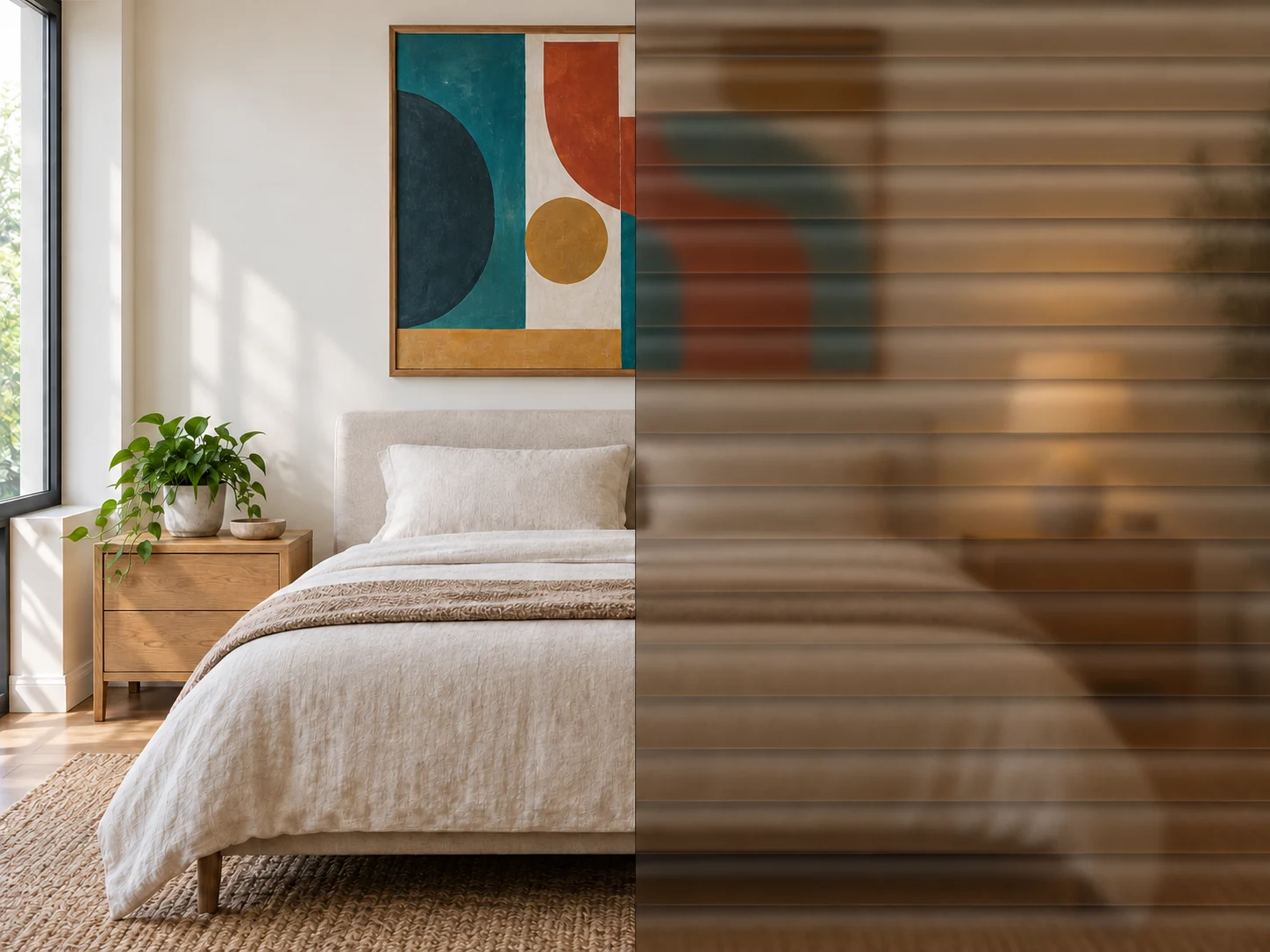
Bronze Moru with an additional matt finish.
Thickness / build-up: Approximately 4-5 mm; on request
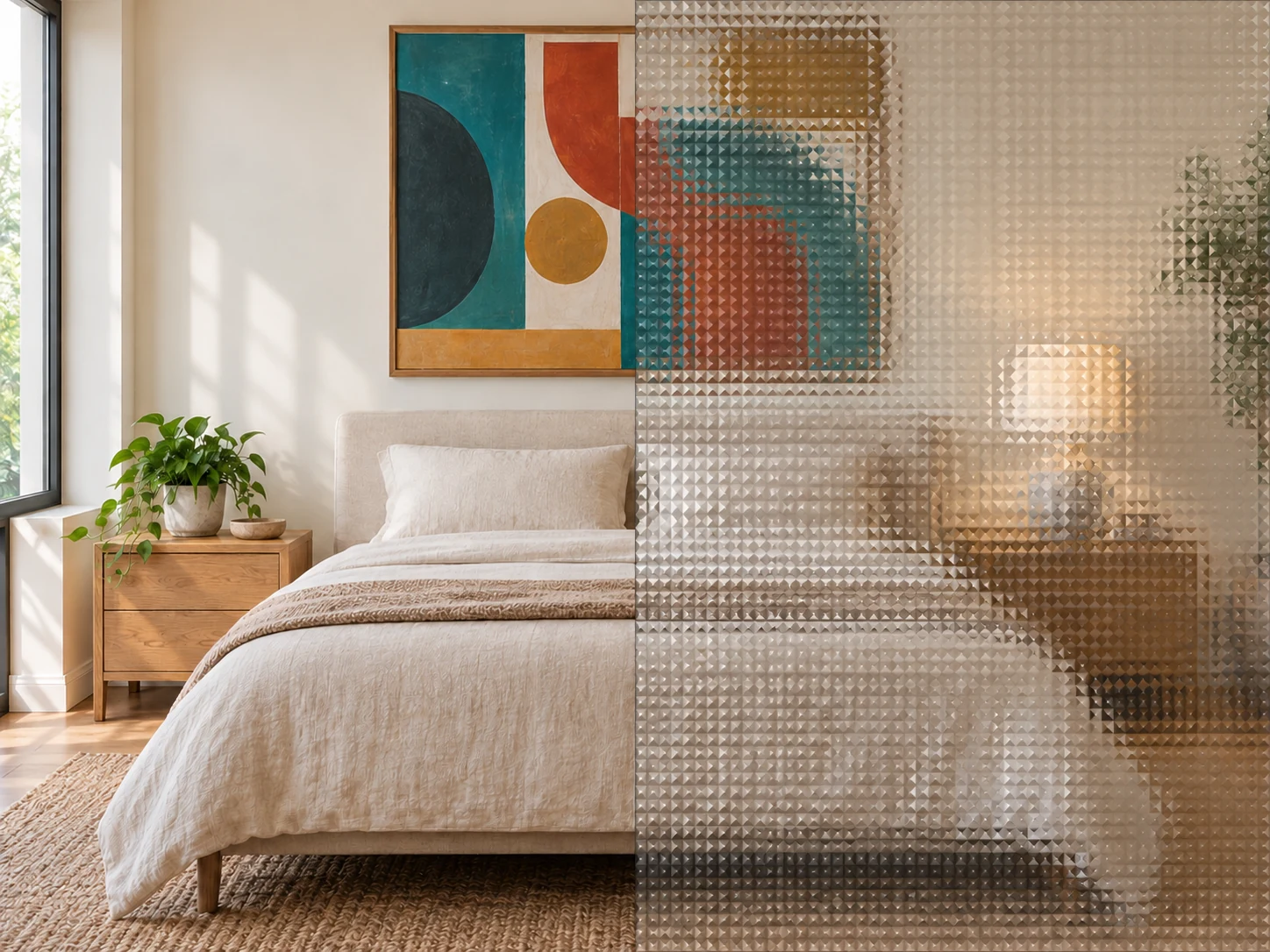
Thick glass with a pronounced impressed pattern.
Thickness / build-up: 19 mm
B2B applications
Cabinet and display fronts: coordinate vertical or horizontal ribs with doors, handles and lighting.
Interior partitions: assess privacy from both sides and under day and night lighting.
Small furniture collections: keep the pattern direction consistent across sample parts and repeat orders.
Before production
FAQ
Reeded or fluted glass is a patterned-glass design with repeated linear ribs or grooves. Patterned glass is the wider family and also includes dots, grids and irregular textures.
The required direction can be specified, but the cut layout, available sheet and pattern need checking. Mark the orientation on the drawing rather than relying on the product name.
The catalogue illustrations are AI visualisations for comparing effects. They are not product photographs, optical measurements or a substitute for the approved physical sample.
Yes. Send the first quantity, expected repeat demand and component drawings. We review the material, processing and conditions for a prototype, trial batch or repeat production. There is no single minimum quantity promised for every material.
Send drawings with dimensions and thickness, material or sample reference, quantity, edge finish, holes and cut-outs, assembly details and intended use. Include requirements for safety, appearance, packaging and repeat batches where relevant.
Prototype · Short batch · Repeat production
Send drawings with dimensions and thickness, material or sample reference, quantity, edge finish, holes and cut-outs, assembly details and intended use. Include requirements for safety, appearance, packaging and repeat batches where relevant.
A joiner, metalworker or assembly partner can provide the supporting structure. ZWAKA supplies the glass or mirror component to the agreed specification; coordinate interfaces and responsibilities before manufacture.