
01
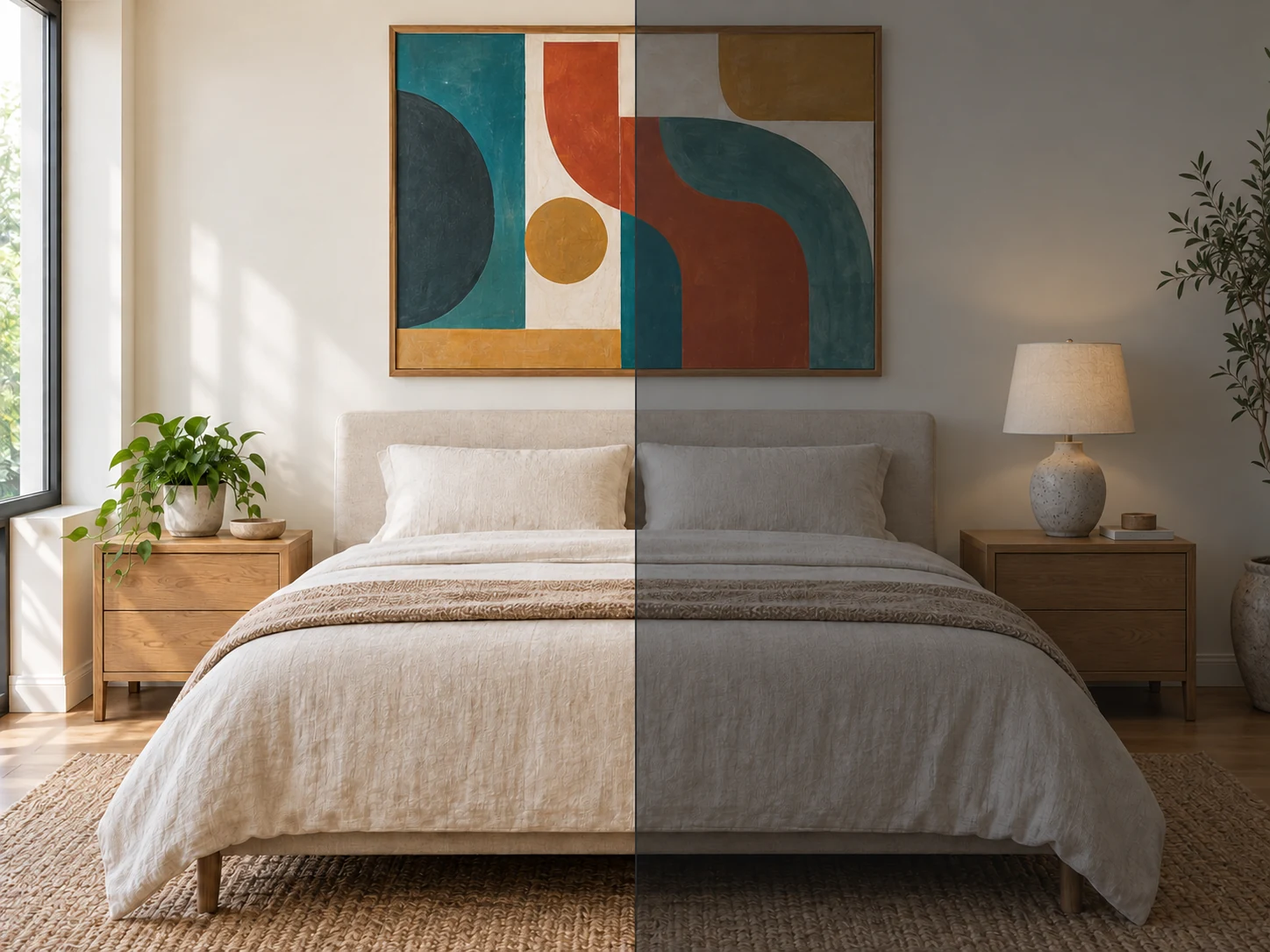
Parsol Grey
Cool grey tint that becomes deeper as thickness increases.
Thickness / build-up: 3, 4, 5, 6, 8, 10 and 12 mm

ZWAKA · Quick contact
Send us a project description and drawings, or call ZWAKA Glass directly.
B2B material catalogue · Glass to drawing
Grey, bronze and green glass with colour throughout the material. For furniture fronts, shelves and display components where transparency and tint are part of the design.
Explore materials and specifications ↓Material and function
Body-tinted glass receives its colour during manufacture of the glass itself. Unlike back-painted glass, it can transmit light through the pane. Its appearance depends on thickness, illumination, background and the selected glass product.
A thicker pane usually looks darker because light travels through more coloured material. Compare samples in the furniture or lighting arrangement in which they will be used. The palette below reflects the existing ZWAKA material schedule; blue and other shades require individual confirmation.
ZWAKA material schedule
The following variants and thicknesses come from the existing ZWAKA material schedule. Current supply, manufacturer, sheet size and processing are confirmed for the order. Build-up codes are retained for laminated products.
Cool grey tint that becomes deeper as thickness increases.
Thickness / build-up: 3, 4, 5, 6, 8, 10 and 12 mm
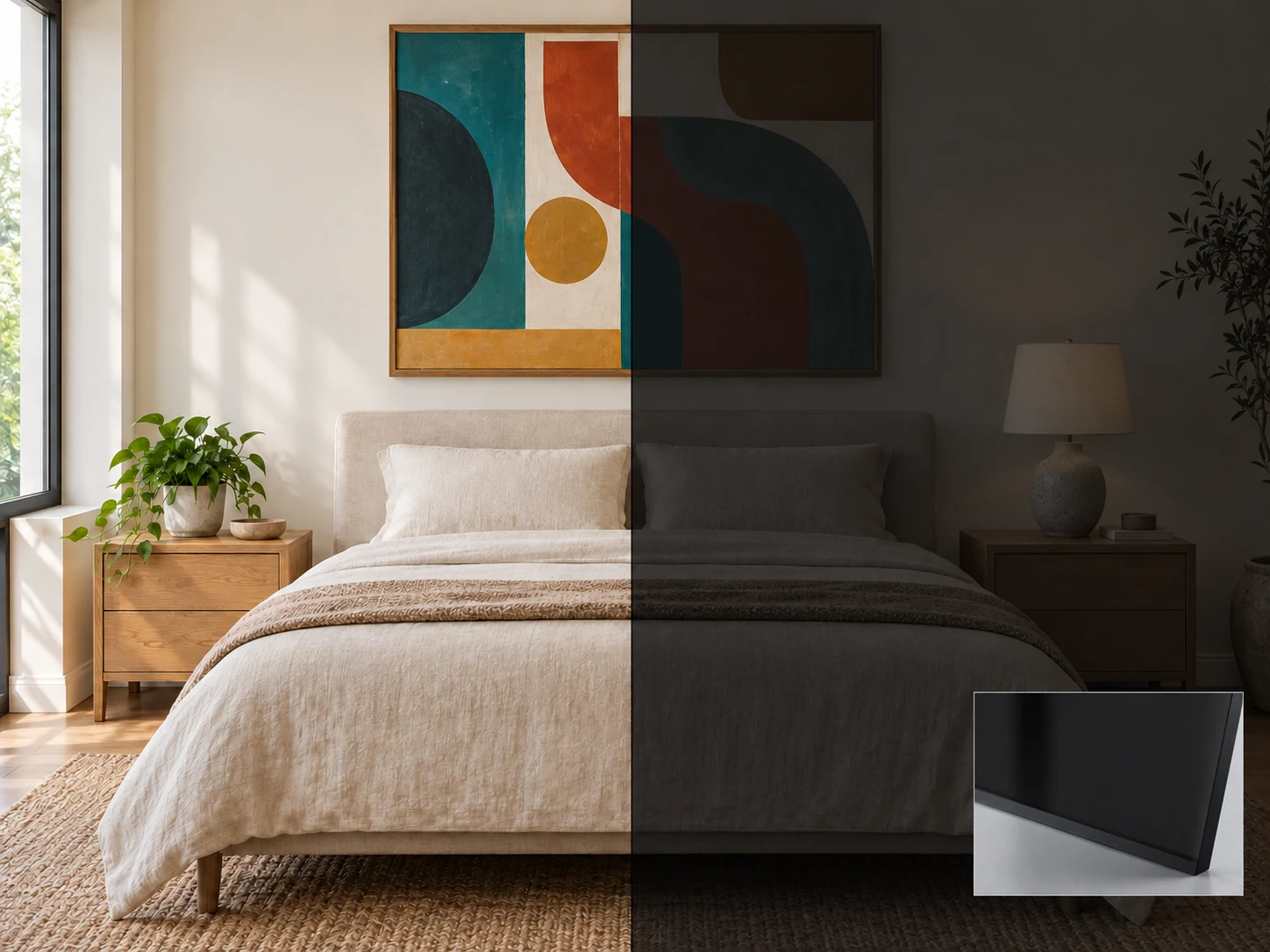
A very deep grey approaching black.
Thickness / build-up: 4 mm; 6 and 8 mm on request
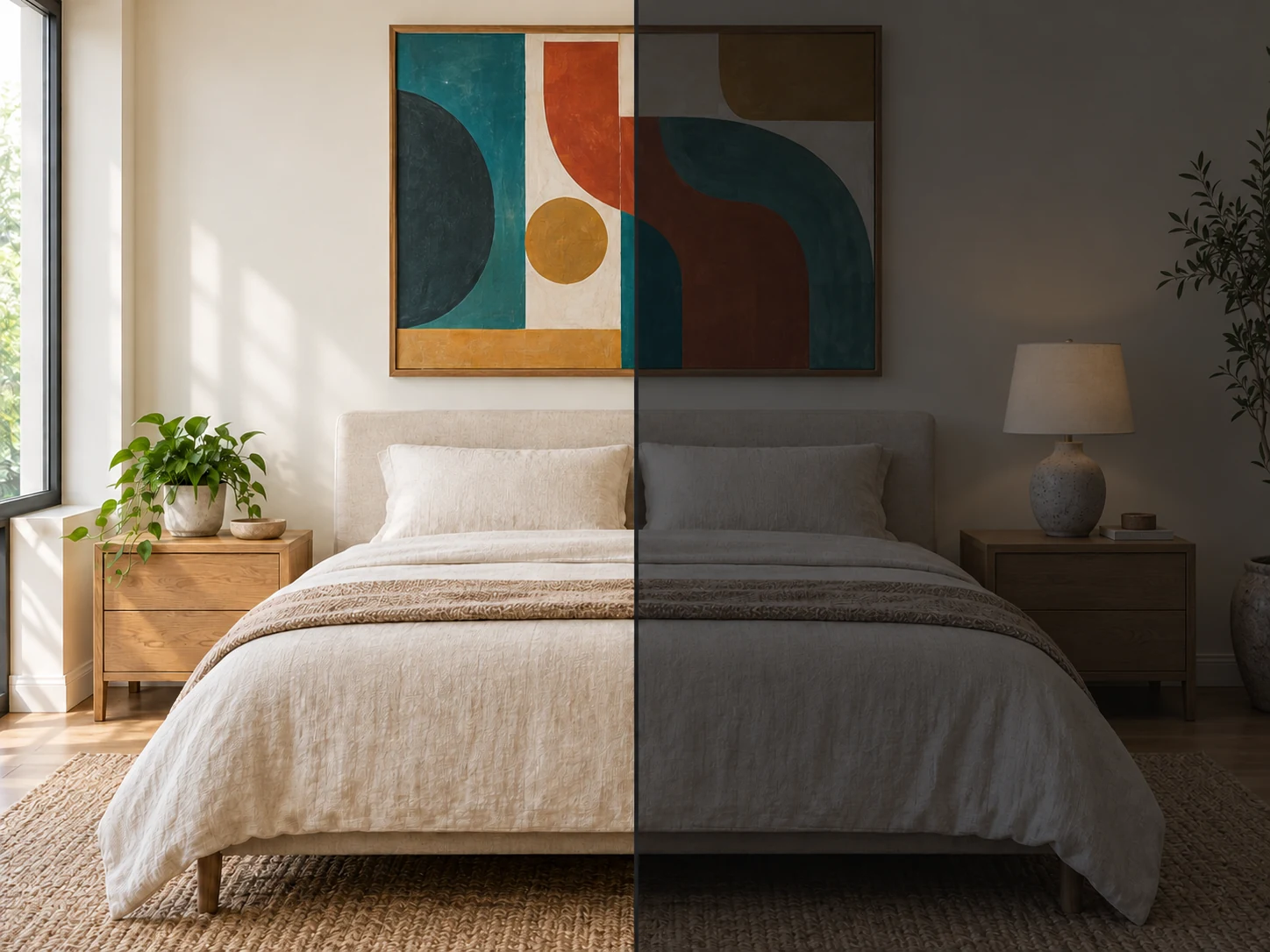
Dark grey glass for a stronger decorative effect.
Thickness / build-up: 4, 6, 8 and 10 mm
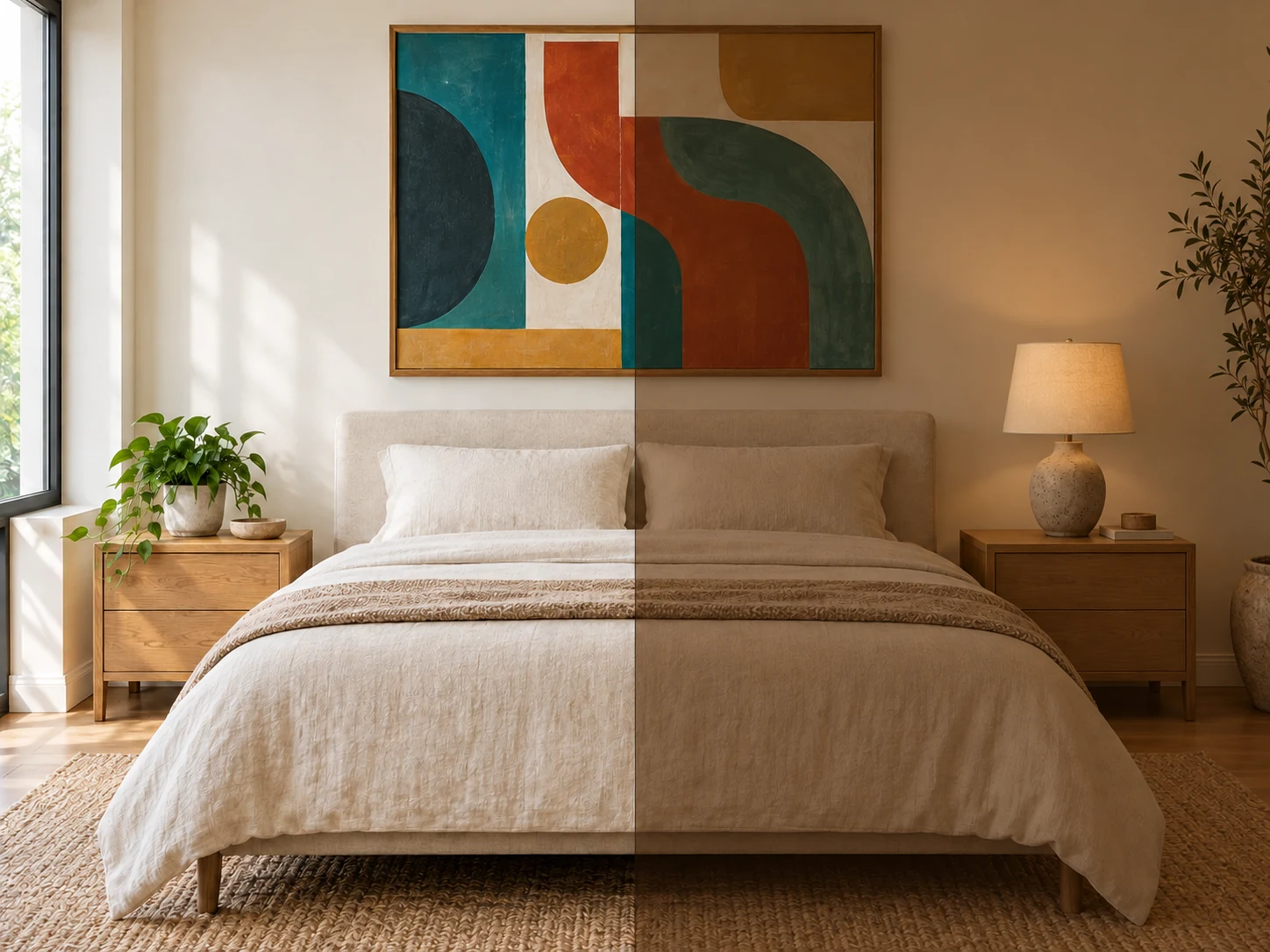
A warm, smoky bronze tint.
Thickness / build-up: 3, 4, 5, 6, 8 and 10 mm
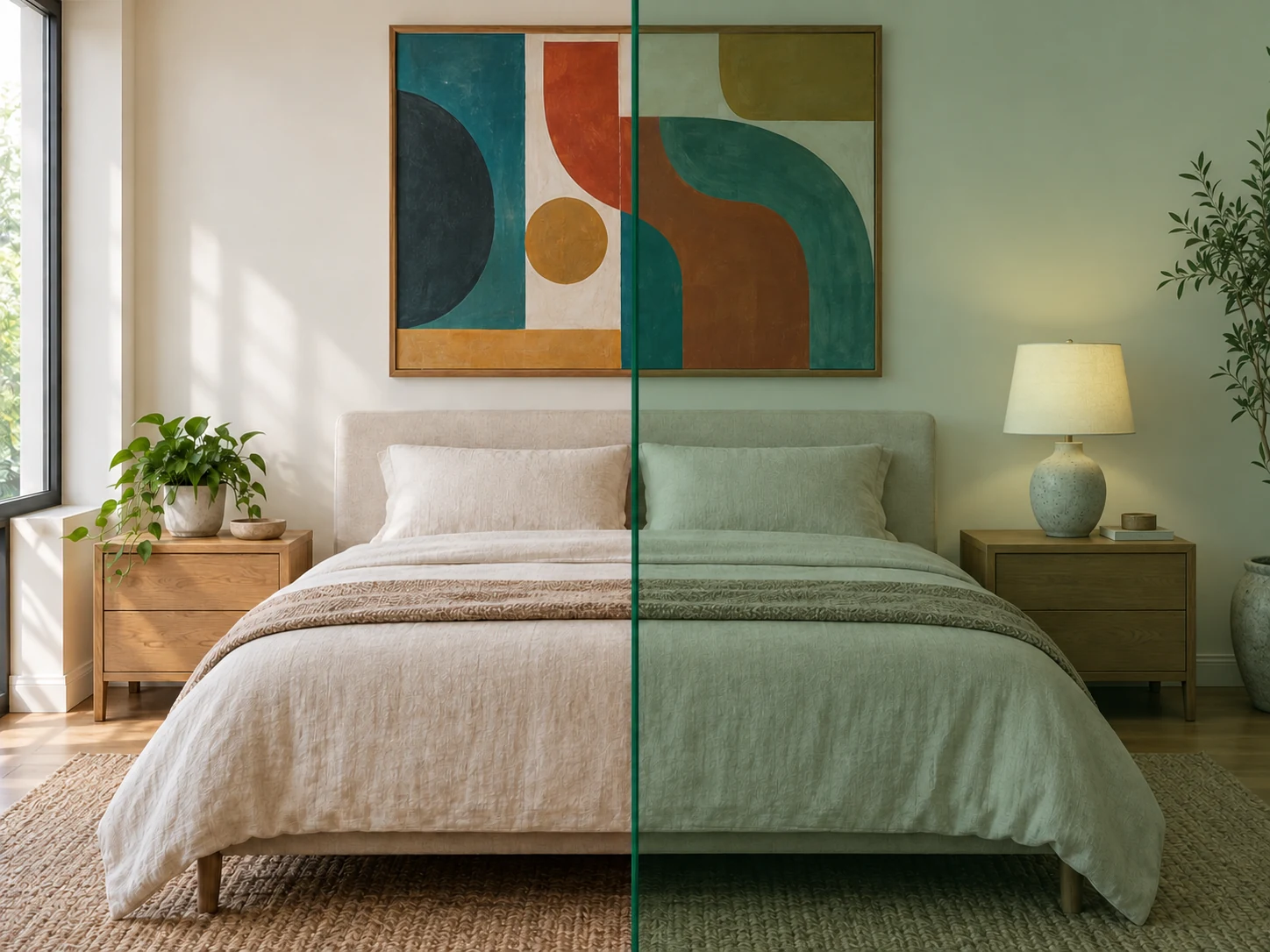
Green colour throughout the pane.
Thickness / build-up: 4, 5 and 6 mm
B2B applications
Cabinet fronts: coordinate the tint with internal lighting and how much of the contents should remain visible.
Shelves and table tops: exposed edges become a visible part of the colour concept.
Retail displays: compare the glass against merchandise, timber, metal and the actual background.
Before production
FAQ
Body-tinted glass has colour throughout the pane. Back-painted glass instead has an opaque coating on one side; it is a separate material family.
A longer path through coloured glass changes the visible intensity and light transmission. The background and lighting also affect the result.
Some products can be combined in a laminated build-up. Specify the tint on one or both panes and confirm the complete construction and processing before ordering.
Yes. Send the first quantity, expected repeat demand and component drawings. We review the material, processing and conditions for a prototype, trial batch or repeat production. There is no single minimum quantity promised for every material.
Send drawings with dimensions and thickness, material or sample reference, quantity, edge finish, holes and cut-outs, assembly details and intended use. Include requirements for safety, appearance, packaging and repeat batches where relevant.
Prototype · Short batch · Repeat production
Send drawings with dimensions and thickness, material or sample reference, quantity, edge finish, holes and cut-outs, assembly details and intended use. Include requirements for safety, appearance, packaging and repeat batches where relevant.
A joiner, metalworker or assembly partner can provide the supporting structure. ZWAKA supplies the glass or mirror component to the agreed specification; coordinate interfaces and responsibilities before manufacture.